
From Connected Hubs to Connected Communities: A New Radio Vision for Oku‑Noto
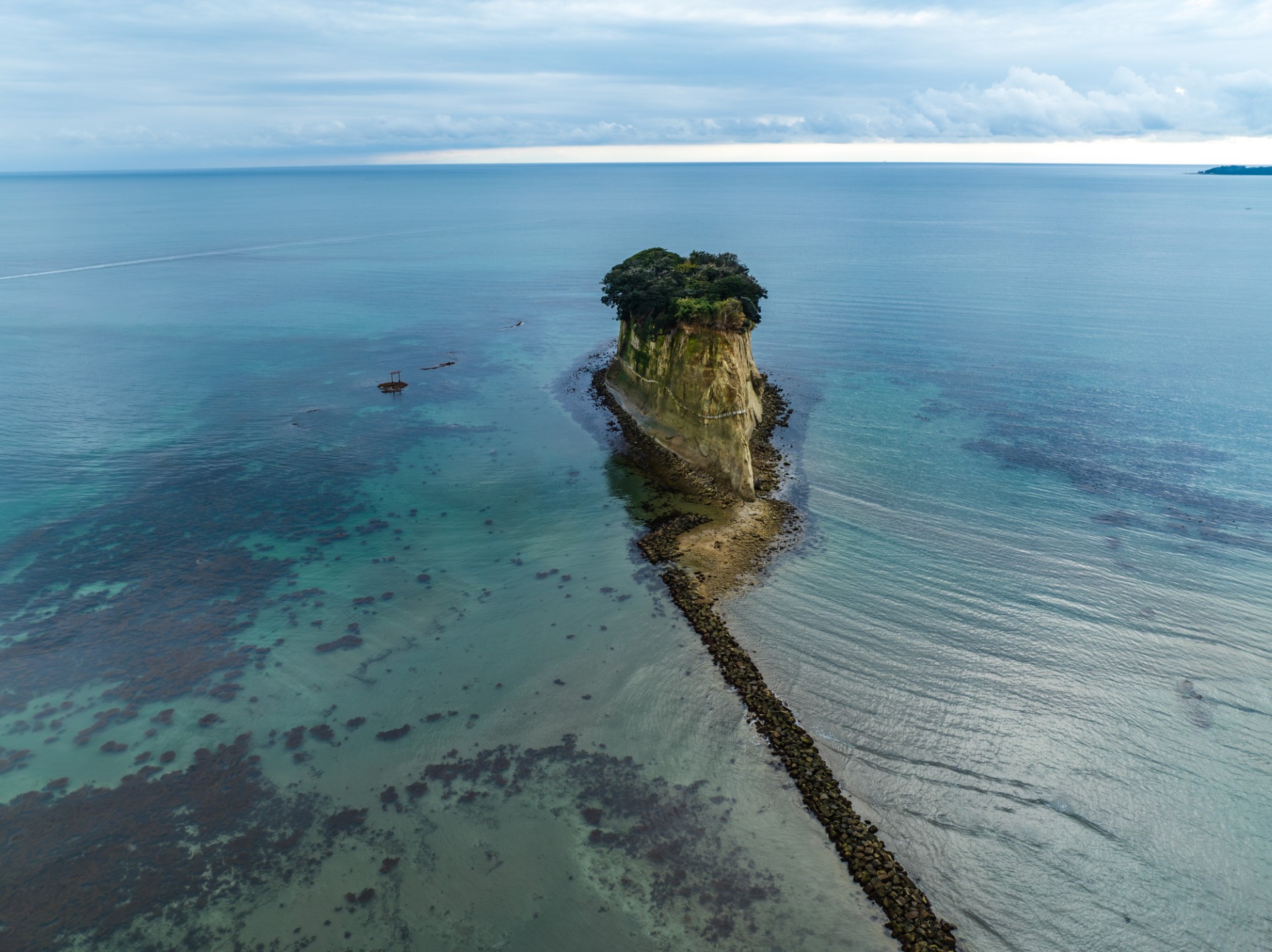
A proposed U‑ROCK® Japan initiative would explore how satellite connectivity, internet radio and locally controlled broadcasting could strengthen everyday communication and emergency resilience across Wajima, Suzu, Anamizu and Noto Town.
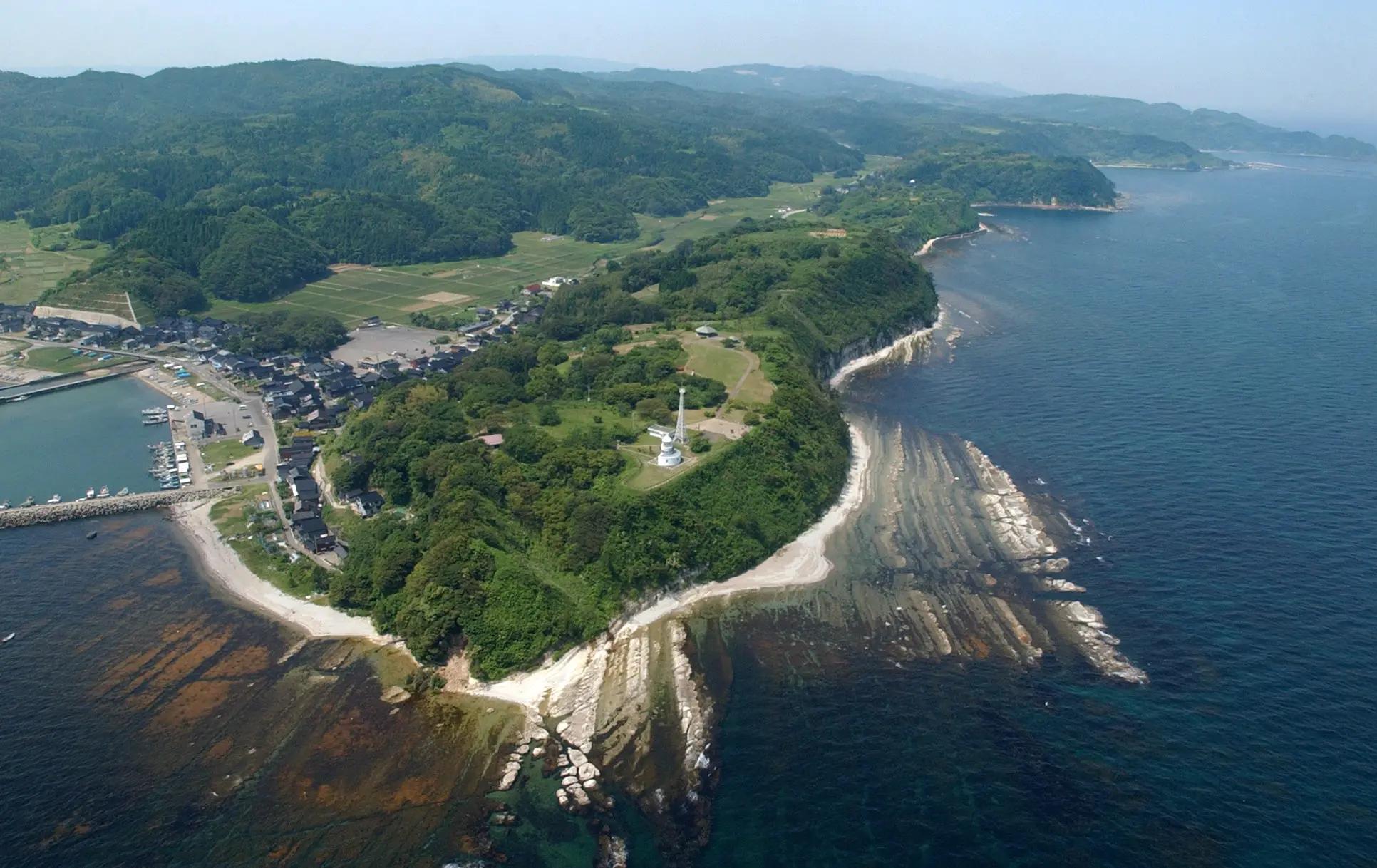
Oku‑Noto covers a wide and geographically challenging area at the northern end of Japan’s Noto Peninsula. Its four municipalities—Wajima City, Suzu City, Anamizu Town and Noto Town—span approximately 1,134 square kilometers while serving a combined population of roughly 44,000 people.
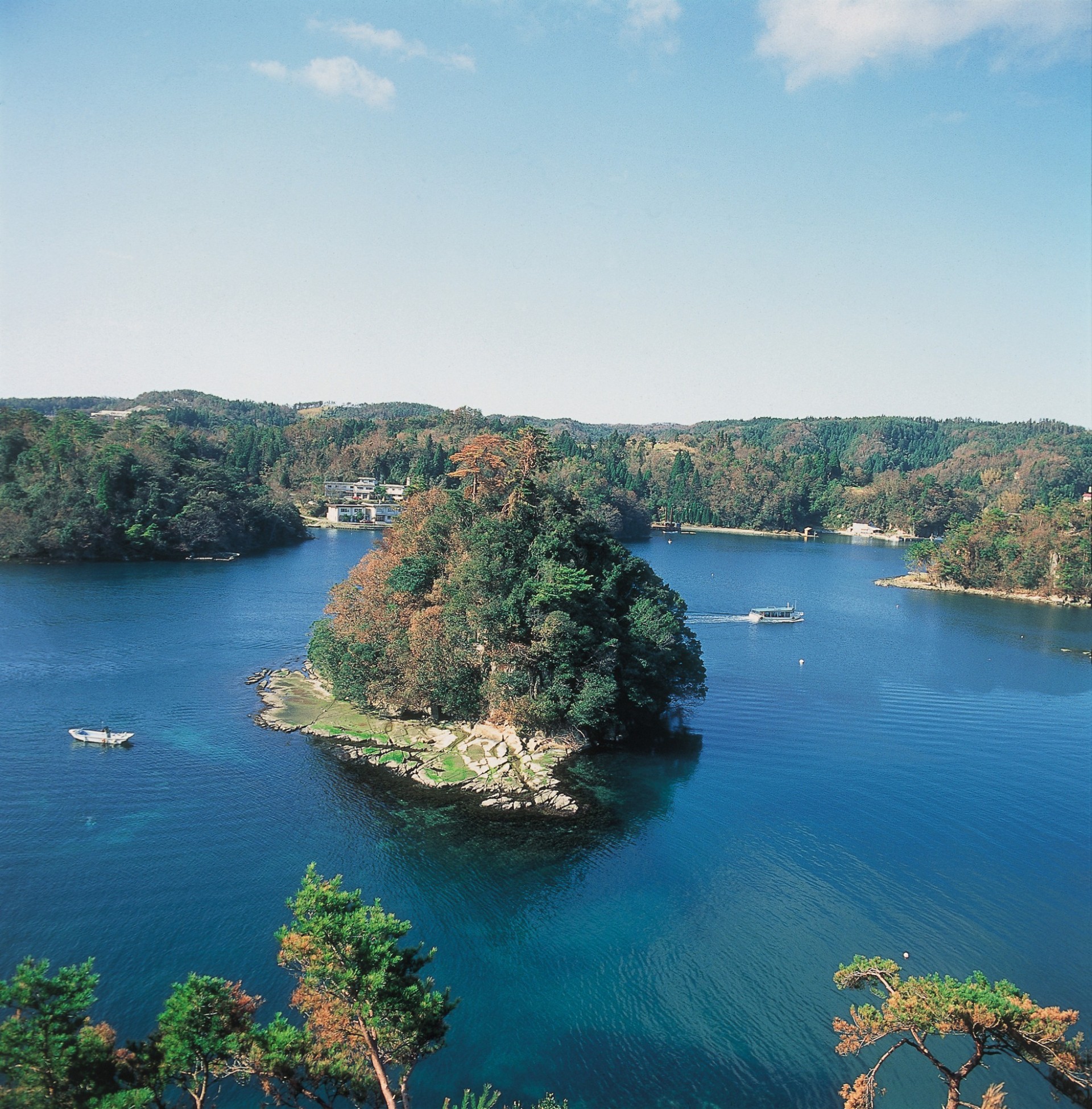
That combination of distance, mountainous terrain, coastline, population decline and disaster exposure creates a difficult communications problem. Information must travel across a large area, but the infrastructure and personnel available to deliver it are limited.
A proposed U‑ROCK® Japan project would examine whether a shared digital-radio network could help close that gap.
Building on Infrastructure Already in Place
This proposal does not begin with the assumption that Oku‑Noto lacks satellite infrastructure.
Following the 2024 Noto Peninsula earthquake, KDDI and Starlink Japan worked with Ishikawa Prefecture and Japan’s Ministry of Internal Affairs and Communications to provide 350 Starlink terminals to evacuation facilities and other locations across the affected area.
Ishikawa Prefecture has since taken another important step. By January 2026, the prefecture and Oku‑Noto’s four municipalities had strengthened 14 community facilities that function as gathering places during ordinary times and evacuation shelters during emergencies.
These digital community hubs are equipped with Starlink connectivity and storage batteries. They also incorporate digital signage and shelter-management technology. The prefecture describes the system as a “phase-free” digital lifeline—technology intended to remain useful during both daily life and emergencies.
That existing foundation changes the question.
The issue is no longer simply whether Starlink can be installed in Oku‑Noto. The opportunity is to determine whether the region’s connected facilities can also support a locally operated audio-information network that residents recognize, use and trust before another emergency occurs.
Wide-Area Programming with Local Control
The proposed model would connect participating communities through a common internet-radio network.
During normal operations, stations could share regional programming covering local events, tourism, businesses, schools, music, cultural history, recovery efforts and public information. Each municipality would still retain its own local identity and the ability to produce programming specifically for its residents.
During an emergency, authorized local operators could interrupt the shared programming to deliver municipality-specific information concerning evacuation, shelter conditions, road closures, water distribution, medical services and other urgent matters.
The principle is straightforward:
Regional cooperation during ordinary times. Local authority during emergencies.
The system would not replace Japan’s official emergency-alert infrastructure, municipal disaster radio, FM broadcasting, mobile alerts or other established public-warning systems. It would provide an additional communications route—particularly useful for extended updates, spoken explanations, interviews with officials and information that cannot be adequately conveyed through a short alert.

The Role of U‑ROCK® Japan
Under the concept being developed, NOTO MOTHER EARTH WAVE in Nanao would continue as the operating and international connection point for U‑ROCK® Japan.
Tatsuya Gontani would lead Japanese development and local coordination. The U‑Rock Network, LLC would provide the digital-radio platform, shared distribution system, station pages, publishing capabilities, operational support and access to the wider U‑ROCK® international network.
Participation by municipalities, evacuation facilities, KDDI, Starlink Japan or other organizations would require direct consultation and formal approval. No partnership, equipment contribution or financial support should be considered confirmed until a written agreement is established.
Official emergency information would remain under the control of the appropriate Japanese authorities. Local activation procedures, authorized users, message approval, privacy protection and security requirements would have to be documented before any emergency use.
Radio as Everyday Community Infrastructure
The strength of the concept lies in using the system every day.
Equipment that remains packed away until a disaster occurs can be difficult to operate when it is suddenly needed. A community-radio platform creates a reason for residents and local operators to use the network regularly.
Students could produce school reports. Local businesses and tourism organizations could introduce the region to listeners elsewhere in Japan and abroad. Foreign residents, including ALTs and Coordinators for International Relations, could contribute multilingual information and share Oku‑Noto from an international perspective.
Residents could discuss reconstruction, agriculture, fishing, transportation, healthcare, festivals and the practical realities of living in the region. The same microphones, computers, connections and trained operators used for those programs would already be familiar when urgent communication becomes necessary.
Technology would support the relationships instead of attempting to replace them.
Beginning with a Measurable Pilot
The responsible next step would be a limited proof of concept rather than an immediate four-municipality rollout.
A 90-day pilot could connect one approved broadcasting location with one participating community or evacuation facility. The trial would measure:
Connection stability Backup-power endurance Time required to switch from shared programming to a local broadcast Audio quality and accessibility Local participation Staffing and training requirements Security and authorization procedures Actual operating costs
The results could then determine whether the system should expand across the four municipalities.
Oku‑Noto already possesses important pieces of the infrastructure: satellite connectivity, community facilities, backup power and a growing phase-free digital strategy. The proposed radio network would explore how those physical connections might also carry something deeply human—the voices, knowledge and presence of the communities themselves.

The goal is not to make unrealistic promises about technology. It is to build an additional, practical communications layer that works during ordinary life, strengthens regional identity and remains available when Oku‑Noto needs it most.
Sources: Ishikawa Prefecture’s Oku‑Noto Digital Community Hubs, official Oku‑Noto regional profile, and KDDI’s Starlink deployment following the 2024 earthquake.
